

BioByte 160: Transplant Allows Mouse Eyes to Photosynthesize, Mapping Working Memory to Inform Deep Learning Architectures, New Discoveries in PLK3s, and How Longevity Research Can Improve AI Models


Welcome to Decoding Bio’s BioByte: each week our writing collective highlight notable news—from the latest scientific papers to the latest funding rounds—and everything in between. All in one place.


What we read
Blogs
Ask not what AI can do for longevity. Ask what the longevity field can do for AI. [Martin Borch Jensen, Longevity Industrialized, May 2026]
Optimism abounds around the intersection of AI and biology, however, the ability of AI to suddenly radically solve more complex diseases—such as those implicated in aging—is somewhat less plausible. Such a feat Gordian founder, Martin Borch Jensen, argues would require such substantial improvements in biomedical R&D such that would surpass all Nobel-winning discoveries of the past century. The fundamental issue he presents is that: “You can’t do reinforcement learning without verifiable outcomes.” Thus, what AI truly requires to tackle complex diseases is deliberate data generation.
Borch Jensen breaks biology down into four physical layers of organization: molecular, cellular, physiological, and organismal. Though an incredible breakthrough, the success of AlphaFold was underpinned on the existence of decades of molecular data, something we don’t sufficiently have for many overarching disease categories such as heart failure and Alzheimer’s, which are based largely on symptom groups without a clear and comprehensive underlying causal trajectory. Such diseases span all four layers, yet while higher layers do emerge from the lower, lower layers in isolation do not provide strong answers regarding where these conditions originate or how to cure them. Instead, measurements must be taken across layers; higher-level answers only emerge following linkage of lower-layer measurements to observed higher-layer outcomes.
Longevity research thus relies on “hard-earned data” from the cellular and molecular levels, yet faces two challenges:
The uncertainty principle in biology: data can be collected on a system as it persists (lives), but this is substantially less than the data able to be gathered by studying it post-mortem. The caveat to the latter is obviously that once no longer living, data cannot continue to be collected longitudinally.
Time: simply what it sounds like—life and complex conditions unfold over time and causal relationships such as treatment outcomes, biomarker validation, etc. largely require longitudinal observation.
These points illustrate why AI is on a longer timeline for radical impact on longevity research. On the flip side, and as a nod back to the blog post’s title, this crucial data collection for the longevity field is ripe for enhancing AI models.
The remediation of these issues lies in thoughtful experimental design that bridges both layers and time. A simple example given of bridging layers is collecting blood from a few thousand autoimmune patients, running single-cell transcriptomics, and, critically, pairing this with a functional assay (e.g. T-cell activation) before sequencing, allowing a thread to be followed from gene expression to function to patient outcomes. To bridge time, Borch Jensen suggests two solutions: “turning historical samples into task-shaped data” or “validating biomarkers to let faster systems stand in for slower ones.” The example given here is leveraging medical data and blood samples collected in the US Veterans Affairs system—supplementing these with advanced modern techniques such as proteomics and metabolomics could produce a substantial longitudinal molecular dataset already married to known patient outcomes.
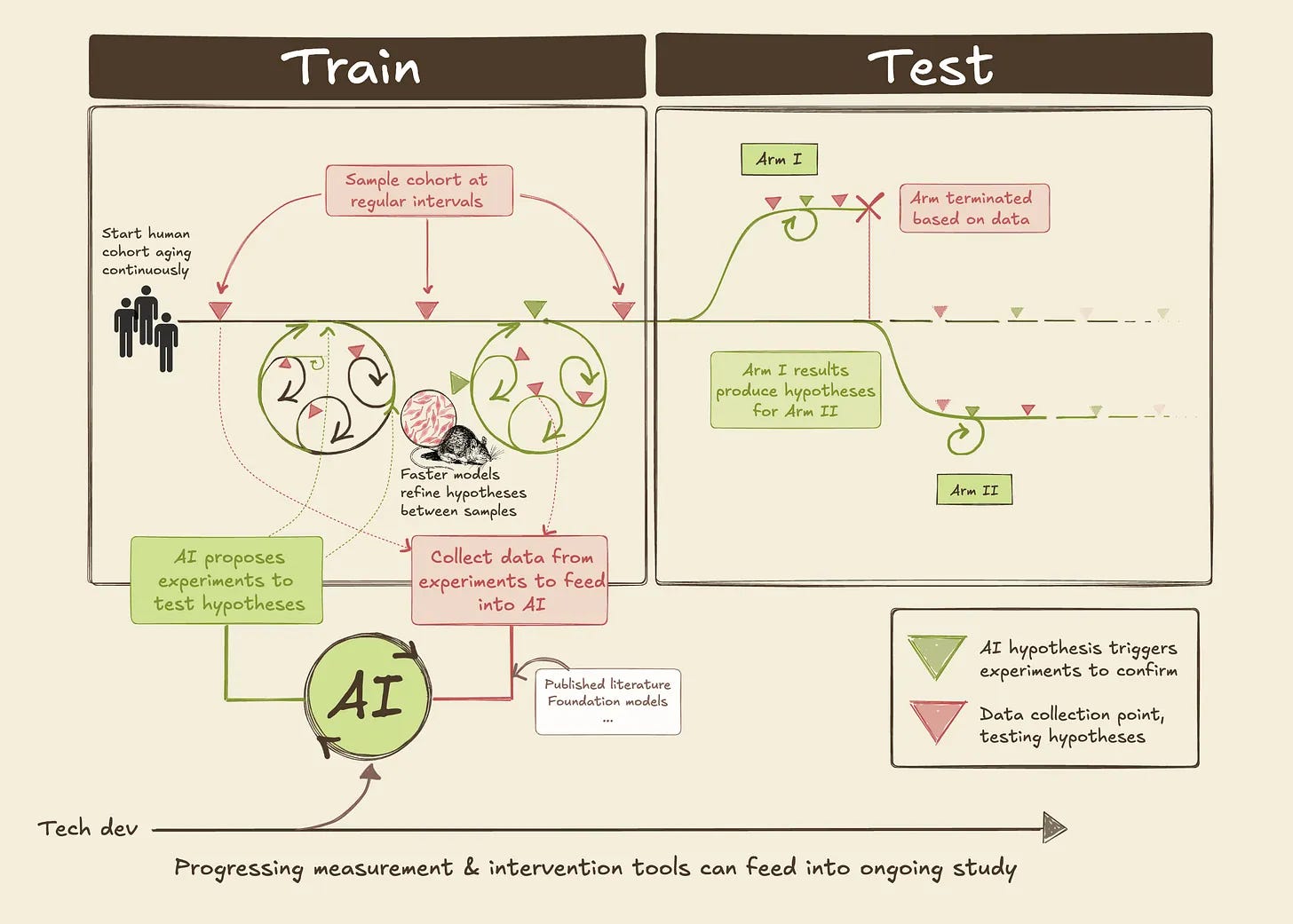
To fully tailor to future AI use cases, we must intelligently design longitudinal experiments of middle-aged cohorts now, collecting a comprehensive number of tests from blood sampling on which to run high-dimensional molecular assays to MRIs, cognitive assessments, EKGs, etc. on cohort participant on a regular basis—feeding these into AI models as they are collected. This rapid experimental loop allows the models to propose causal relationship hypotheses and future trajectories, building and refining until confidence reaches a level where an adaptive prevention trial can be carried out, allowing for further outcome observation and model refinement.
The call to action here is to effectively design and initiate these longitudinal studies now in order to potentially see the greater scale, progress, and insights yielded by better-trained intelligence models in regards to longevity medicine within our own lifetimes. To help realize this aim, Borsch Jensen emphasizes the imperativeness that a portion (at least 5-10%) of the significant funding currently funneled into AIxBio companies be allotted to these deep, comprehensive, and longitudinal data collection efforts described.
Taking cell therapy inside the body

The next technological leap for genomic medicine uses the machinery inside our cells. What could that mean for patients?
This post is sponsored by Cytiva.
Papers
Structure-Guided Discovery of Selective Polo-Like Kinase 3 Inhibitors [Yap et al., ACS Medicinal Chemistry Letters, May 2026]
Why it matters: Polo-like kinases (PLKs) regulate core cell-cycle processes and have long been pursued as oncology targets, particularly PLK1. However, most PLK inhibitors exhibit substantial cross-reactivity across PLK family members because their ATP-binding pockets are highly conserved. This has made it difficult to disentangle the biology of PLK2 and PLK3 from PLK1-driven toxicity, particularly bone marrow suppression observed in clinical PLK1 inhibitors. This paper addresses that bottleneck by combining machine learning-guided pharmacophore mapping with medicinal chemistry to develop highly selective PLK3 inhibitors and systematically probe isoform-specific biology.
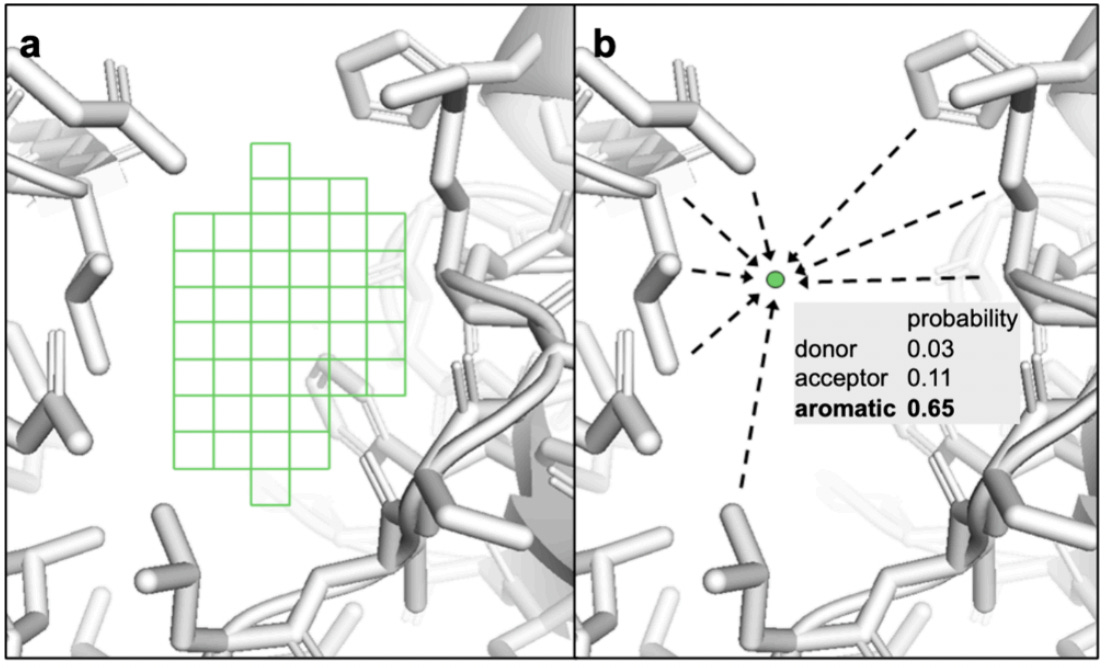
The authors begin with a structural problem: despite high homology between PLK1, PLK2, and PLK3, subtle local differences in their ATP-binding pockets may still permit selective targeting. To identify these regions, they develop an ML-based pharmacophore prediction framework that maps spatial probabilities for hydrogen-bond donor, acceptor, aromatic, and hydrophobic interactions directly from protein structure. Applying this framework across PLK isoforms reveals distinct “selectivity hotspots,” particularly around the hinge region and a small hydrophobic pocket beneath the p-loop that is incompletely occupied by prior PLK ligands.
Starting from high-throughput screening hits, the team iteratively designs compounds that exploit these subtle structural asymmetries. Structure-guided optimization produces a series of selective PLK3 inhibitors, culminating in compounds such as 8 and 9, which achieve up to 400–1000× selectivity over PLK1 while maintaining nanomolar PLK3 potency and strong cellular target engagement in NanoBRET assays. Crystallographic validation confirms that the designed ligands occupy predicted aromatic hotspots beneath the PLK3 p-loop, while analogous interactions are sterically or electrostatically disfavored in PLK1 and PLK2.
Mechanistically, the work argues that selectivity emerges not only from static structure but also from protein conformational dynamics. Molecular dynamics simulations and Markov state modeling reveal that PLK1 preferentially adopts a more closed p-loop conformation, narrowing the binding pocket and disfavoring bulky piperazinone-aryl substituents accommodated by PLK3. In contrast, PLK3 samples more open conformations that tolerate these interactions, providing a dynamic basis for isoform selectivity.
The authors then use these selective compounds as biological probes to dissect PLK-associated toxicity. Across human bone marrow mononuclear cell assays, cytotoxicity strongly correlates with PLK1 inhibition but not PLK3 inhibition. Selective PLK3 inhibitors maintain potent target engagement without inducing the myelosuppression phenotype observed with clinical PLK1 inhibitors such as volasertib and onvansertib. This suggests that bone marrow toxicity in prior PLK-directed therapies is primarily driven by PLK1 activity rather than broader PLK inhibition.
Overall, this work demonstrates how ML-guided structural modeling and parallel medicinal chemistry can resolve selectivity within highly homologous protein families. Beyond generating the first robust PLK3-selective chemical probes, it provides a framework for targeting subtle conformational and pharmacophore differences in difficult kinase systems while separating therapeutic activity from isoform-driven toxicity.
A critical initialization for biological neural networks [Pachitariu et al., Nature, May 2026]
Why it matters: Individual neurons fire in milliseconds, yet the brain easily holds onto information for seconds. How this bridges this massive timescale gap is a mystery that seems to mirror a bottleneck in AI engineering. In particular: how can you initialize a neural circuit that enables for immediate built-in working memory, before learning itself begins? A team at HHMI Janelia probed the mouse brain to answer this question. By organizing brainwide activity like a “critically normalized” random symmetric network, the cortex creates a stable, high-dimensional reservoir that serves as an ideal baseline scaffold for holding memory over time.
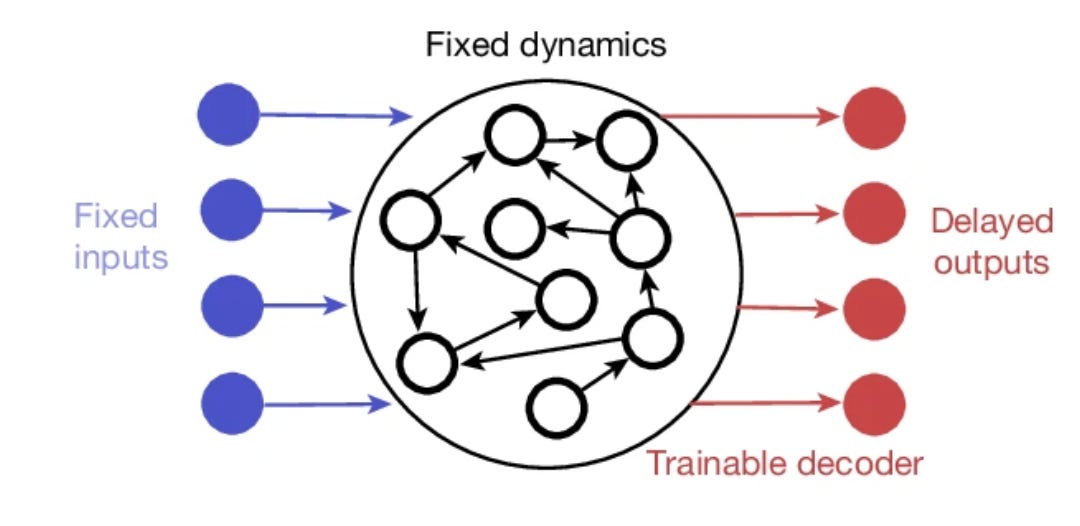
To crack this question, the researchers mapped massive neural recordings against the mathematics of random interaction matrices. Random interaction matrices are In AI models; asymmetric wiring causes signals to chase themselves in complex loops, creating chaotic, rotational dynamics that quickly scramble information. By applying a predictive framework called dynamic mode decomposition to the mouse data, the authors found that spontaneous cortical activity actually avoids these rotations. Instead, the mouse brain seems to utilize symmetric wiring which enables large-scale signals to decay smoothly, and information to persist for seconds.
During this mapping process, one striking question arose: does every part of the brain use this same scaffold? There was one exception to this pattern: the hippocampal area CA1. While the cortex prioritizes stable teamwork to keep signals alive, CA1 population activity uses an uncoordinated, independent code. This setup trades away the long-term signal persistence earned from the symmetric wiring, to maximize raw information storage capacity - acting less like a synchronized loop and more like a little library where each neuron stores a unique story.
The team then took this balanced blueprint and pointed it at AI engineering to see if this could serve as a useful inductive bias. In simulations, these critically normalized linear symmetric networks held up against realistic biological constraints like sparse connections, cell clustering, and physical distance in tissue. Crucially, when tested on challenging zero-shot working memory tasks, they drastically outperformed traditional chaotic echo-state networks. Because the internal representations remain rock-solid across time, simple decoders can easily extract unseen input features seconds later, proving that spontaneous brain states offer an elegant template for optimizing deep learning architectures that handle complex sequential data.
Transplanting light-dependent reactions for mammalian eye photosynthesis [Xing et al., Cell, May 2026]
Why it matters: The mammalian eye is constantly bathed in visible light, and uses it for one thing: vision. A plant leaf, given the same light, conducts photosynthesis. Xing et al. investigate whether an animal cell can be made to do both, equipping mammalian corneal cells with intact plant photosynthetic machinery so that ambient light drives genuine production of NADPH inside the animal cell. The proving ground is ‘dry eye disease’ (keratoconjunctivitis sicca, KS), which is estimated to affect hundreds of millions of people and is propelled by redox failure. Chronic inflammation and oxidative stress deplete the cell’s reducing power (NADPH), and the natural source – the pentose phosphate pathway – paradoxically amplifies reactive oxygen species (ROS) as it kicks into overdrive to compensate. Rather than repair that mammalian circuit, the authors bypass it with a ‘cross-kingdom’ approach: a plant-derived ‘neo-organelle’ that manufactures NADPH from light on a metabolic track orthogonal to the affected cell’s machinery.
The construct, LEAF (light-reaction enriched thylakoid NADPH-foundry), is derived from spinach: chloroplasts are ruptured by osmotic shock, the stroma is discarded, and the intact thylakoid grana – the membrane stacks that conduct the light-dependent reactions – are repackaged with the FDA-approved surfactant Pluronic F127 into ~400nm particles. These are small enough for corneal cells to endocytose (vs a ~5000nm chloroplast) and gentle enough to preserve the fragile photosystem, which harsher fragmentation methods destroy. Discarding the stroma is necessary for the construct to work – in an intact chloroplast, the stromal Calvin cycle consumes NADPH as fast as light-dependent reactions produce it, yielding a near-zero net output. Without that drain, LEAF accumulates NADPH instead, achieving ~20% more than native thylakoids and sustained production across 5+ light/dark cycles.
The supply is fully independent: with all major mammalian NADPH biosynthesis routes pharmacologically blocked, LEAF under light still restores NADPH to baseline and halves ROS, and inhibitor experiments (selectively blocking each of LEAF’s two photosynthetic outputs) pin the therapeutic effect on photosynthesized NADPH rather than co-produced ATP. LEAF acts in two compartments at once: (1) nanoparticles internalized by the cell refuel the host’s antioxidant enzymes and push macrophages out of the pro-inflammatory M1 state (driving KS) to the anti-inflammatory M2 state, while (2) nanoparticles left outside (suspended in the tear film) scavenge ROS directly using plant antioxidant enzymes retained on their membranes. In a benzalkonium-chloride mouse model of KS, LEAF paired with ordinary room light roughly doubled corneal NADPH over five days, largely restored epithelial thickness, and outperformed the standard drug Restasis (cyclosporine A) on several measures. LEAF in the darkness had little effect and heat-inactivated LEAF none, confirming the role of photosynthesis. In tears from six KS patients, LEAF raised NADPH from 0.11 to 2.22 nmol/mL and sharply lowered ROS (H2O2 fell from 10.5 to 0.45 nmol/mL).
The authors are candid about the limits. Photosynthesized NADPH is chemically identical to the endogenous kind, so they cannot yet trace how much of the rescue is theirs (though isotope tracing is planned), and the in vivo photon-to-NADPH conversion efficiency is unmeasured. LEAF’s persistence in corneal cells is currently on the scale of hours (and, as it is not genetically encoded, is non-inheritable). However, the impact of the work lands in two ways: translational and conceptual. On the former, the engineering is reliable: four batches made by different operators in Singapore and China showed low variability (in particle size, chlorophyll content, and NADPH output), the prep runs in three hours from market spinach, the product holds for a year at -80°C, and standard ISO biocompatibility and ocular-irritation tests came back clean. On the latter, beyond softening a metabolic boundary between plants and animals, natural next questions follow: can we approach a more endosymbiotic relationship, where neo-organelles are engineered to answer host biochemical cues and persist through cell division?
Notable deals
Blank Bio announces $7.2M seed round and strategic collaboration with Pacific Biosciences. Incubated in YC, Blank Bio is building RNA foundation models to decode patient tumor transcriptomes in pursuit of progressing precision oncology. To accomplish this, the company is seeking to improve the current state of bulk RNA-seq—which they highlight as limited at present due to compression of the RNA-seq data, resulting in simplification to per-gene count summaries. Expanding these current capabilities will allow insights derived from this deeper dive into cancer RNA will serve to lend more clarity to biomarkers, diagnostics, patient stratification, clinical interpretation, and clinical trials design. Blank Bio’s current collaboration with PacBio entails generation of PacBio HiFi long-read, bulk RNA sequencing data from up to 100 fresh frozen patient tumor samples across multiple cancer indications, which will subsequently be used in model training for further application. Funding from the seed will go toward continued model development, new data generation efforts, and expanded biopharma partnerships. Investors in the round include Define Ventures, Leonis Capital, Nova Threshold, Ripple Ventures, SignalFire, Y Combinator and several more that remain unnamed in the press release.
Regeneron and Parabilis Medicines unveil strategic collaboration worth up to $2.2B to advance multiple novel Antibody-Helicon Conjugates. The partnership is based off of Parabilis’ proprietary Helicon peptide platform, with a specific focus on aforementioned Antibody-Helicon Conjugates (AHCs). A novel therapeutic class with similar function to ADCs, the Helicon component is the differentiator. Helicons are defined in the press release as “stabilized, cell-penetrant alpha-helical peptides designed to engage intracellular protein targets, including flat surfaces not well suited to traditional small molecule binding.” Many of these intracellular proteins were previously considered undruggable, something Parabilis’ AHCs are aiming to remediate. In their own pipeline, Parabilis has already demonstrated the effectiveness of their AHCs in inhibition or degradation of certain disease-causing proteins in the oncology domain. Paired with Regeneron’s antibodies, the collaboration plans to take a deeper dive into potential use cases for Helicons, spanning standalone therapies and AHCs across multiple therapeutic areas. As per the deal, Parabilis will receive $50M in upfront payment and a pledge from Regeneron to contribute $75M to their next equity financing (pending certain undisclosed conditions). The remainder of the deal value may be obtained through unspecified regulatory, commercial, and development milestones and tiered royalties from any drugs born of the collaboration. Five undisclosed targets are to initially be pursued within the partnership, though the potential for further targets to be added remains viable through the agreement, albeit would require additional option payments from Regeneron.
Fresh off the Regeneron announcement, Parabilis Medicines files for IPO.While pricing details are yet to be disclosed, Parabilis is reportedly joining the recent throng of biotechs eager to enter the public market. As evidenced by the newly-minted Regeneron partnership and the company’s $800M raised to date since their founding as FogPharma in 2015, the move to IPO is not due to a shortage of cash. The move instead is likely motivated by the current swing of success demonstrated by the 11 other biopharma IPOs thus far this year, which have raised an average of $286M in their public offerings, as well as generation of additional funds to get their lead candidate, FOG-001 (zolucatetide), over the finish line in clinical trials. A Wnt/β-catenin pathway inhibitor about to enter Phase 3 trials for desmoid tumors, zolucatetide is one of Parabilis’ AHCs. The company is also evaluating the drug for treatment in other indications—such as solid tumors and familial adenomatous polyposis for which it is now in Phase 1 trials—another effort funding raised from the IPO would support.
CREATE Medicines raises $122M Series B for advancement of in vivo CAR pipeline in latest round co-led by Newpath Partners, ARCH Venture Partners, and Hatteras Venture Partners. Thus far, CREATE has dosed more than 50 patients across its in vivo CAR clinical programs—which they report to be the largest clinical dataset in the field. Utilizing their proprietary mRNA-LNP, the company is pursuing rapid iterative design meant to reshape the domain of in vivo oncology and autoimmune treatments while reducing time to clinic. Their lead program, CRT-402, is a CD19-targeting CAR which clears out B-cells, resetting the immune system in autoimmune disorders. In oncology, CREATE is pioneering CAR-myeloid cells, which they are piloting in Phase 1 trials to target solid tumors: TROP2 Frontline GEJ, GPC3 Frontline HCC, HER2+ cancers. Another point of note is CREATE’s differentiated in vivo engineering platform—with their manufacturing infrastructure owned entirely in-house, CREATE has surmounted the scalability challenge faced by many in vivo cell therapy companies. Alexandria Venture Investments and unnamed others from CREATE’s investor syndicate also participated in the round.

In case you missed it
Engage Bio Acquired by Lilly to Accelerate Development of Non-Viral Genetic Medicines
US taps small San Diego biotech for experimental Ebola treatment as epidemic worsens
What we liked on socials channels


Field Trip
Did we miss anything? Would you like to contribute to Decoding Bio by writing a guest post? Drop us a note here or chat with us on Twitter: @decodingbio.